 Cruise Ship Lawyers Blog


We recently reported on two incidents occurring only days apart where cruise passengers had fallen and died as a result of their injuries.
 The first incident saw the death of Barbara Wood on the Liberty of the Seas, owned and operated Royal Caribbean Cruises. The investigators and witnesses to the tragedy told the media that Barbara Wood was leaving the ship’s nightclub, Catacombs, when she fell while going down the club’s stairs. She hit her head on one of the steps and sustained a massive head injury, resulting in her death about an hour later.
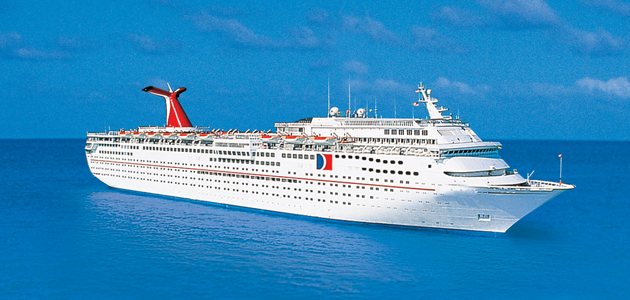
Less than 48 hours later, Carnival cruise passenger, Walter Bouknight, fell down two floors after falling off a platform in the atrium of the Carnival Fantasy. Passengers who witnessed the events have since reported that alcohol may have been in play. The young man may have been gambling in the ship’s casino a few moments prior to his fall and may have been drinking to the point of intoxication.
In both instances, alcohol consumption and intoxication may have been the main contributing factor to explain these incidents. If there is evidence that these passengers had consumed alcohol prior to their fall, and that the amount of alcohol in their system rendered them intoxicated, Carnival Cruise Lines and Royal Caribbean Cruises respectively could face a lawsuit for having over-served alcohol to these passengers.
Cruise Lines can be held liable for over-serving alcohol to cruise passengers
Florida’s Third District Court of Appeals decided in a landmark case in 2004, that cruise lines can be held liable for over-serving their passengers to the point of intoxication if they sustain injuries caused by their alcohol-related impairment. In Hall v. Royal Caribbean Cruises, Judge Schwartz reversed the lower court’s decision ruling that the defendant cruise line has an established duty to exercise reasonable care for the safety of its passengers, a duty couched in general maritime law.
Royal Caribbean had argued that the Court of Appeal should look to Florida’s dram shop act as the governing law to resolve that case and not general maritime principles. Had the Third District Court of Appeal agreed with Royal, it would have severely limited the cruise lines’ liability in future similar cases.
 The Florida’s Dram Shop Act enacted as Statute 768.125 provides that [a] person who furnishes alcoholic beverages to a person of lawful drinking age shall not become liable for injury or damage caused by or resulting from the intoxication of such person. The exceptions to Florida’s Dram Shop Act are when a Florida business willfully and unlawfully sells or furnishes alcoholic beverages to a person who is not of lawful drinking age or when it knowingly serves a person habitually addicted to the use of any or all alcoholic beverages.
Consequently, since the Hall decision, cruise passengers have able to bring lawsuits against cruise lines for not only over-serving and essentially intoxicating them while on the ship, but also for intoxicating other passengers who may have become violent towards them as a result of having been served too much alcohol.
Continue reading



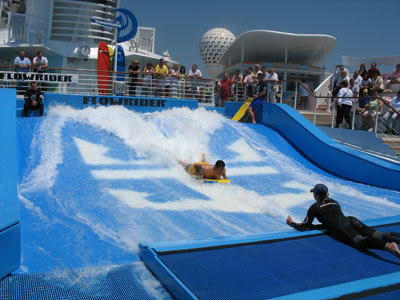 Charlene Johnson was a passenger on the Oasis of the Sea cruise ship owned by Royal Caribbean Cruise. Mrs. Johnson wanted to ride the Flowrider, a simulated surfing and body boarding activity located on the ship. Before Charlene Johnson, or any passenger, could ride the Flowrider, she was required to read and sign her name to an electronic “Onboard Activity Waiver”. By signing such waiver, Charlene Johnson agreed to waive her rights and release Royal Caribbean Cruises, Ltd., and its employees from legal actions “arising from any accident or injury resulting from her participation in any and all of the shipboard activities she selected” (including the Flowrider). In other words, Charlene Johnson agreed to waive her rights to file a lawsuit against the cruise line and its employees should she injure herself while using the Flowrider.