An increased number of cruise ship accidents/incident remains unreported and often absent from the accountability of the civil justice system. Unexpected cruise ship injuries and events are prompted by fierce industry expectations. This is really an issue of cruise industry economics where the vessels no longer sell just the cruise experience, but rather, provide more added dangerous related activities to boost sales. There are more “thrills” available resulting in more injury and deaths.
The modern cruise ship can be a floating city of 6,000 people. There are no police or security forces, no limit on alcohol consumption and practically no limit on the ingenuity of the cruise lines to provide “theme park” activities. Consider for a moment, a small town of 6,000 with no rules, no control of alcohol consumption, poor medical care, and total lack of structure to heighten “fun”.
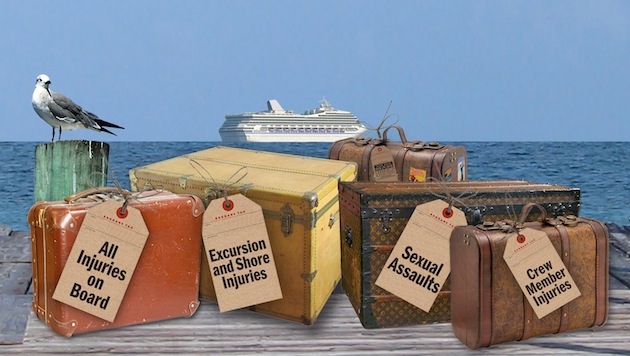
Aboard ship, there are multiple opportunities for serious injury. The walkways, pavement surfaces and common hallways are often wet, slippery or unmaintained, host for injuries to the senior citizen passenger population. The passengers, including unsupervised children, are invited to dangerous water slides, competitive sports, rock climbing, basketball, tennis, parasailing, jet ski, snorkeling/scuba diving excursions, bus excursions and a myriad of ways for passengers to get hurt without any supervision. Food and alcohol abound! Drinks are unlimited and passengers are over served, often creating a carnival like atmosphere. When the inebriated passenger meets an unmonitored condition, danger is created. Food and foreign substances fall off overflowing buffet plates and onto the floor. Pools, hot tubs and water activities make decks slippery and unsafe.



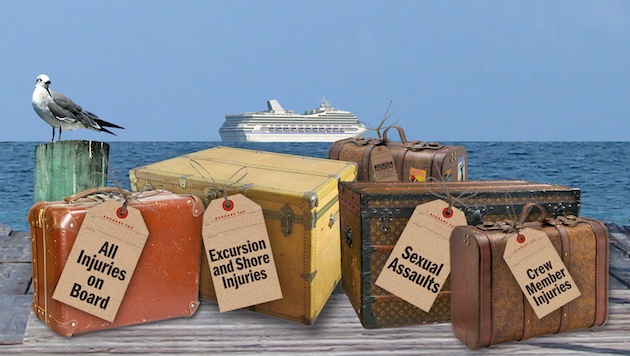 The cruising industry has more than doubled in the last two decades. In the last 15 years alone, the number of cruise passengers has increased from 15 million to 30+ million. To satisfy the demand, cruise lines have built increasingly large ships that can host over 5,500 passengers and over 2,300 crew-members. Consequently, the number of injuries sustained by passengers and crew-members has also increased. As a result, Leesfield & Partners’s general maritime attorneys have been retained to represent injured passengers and crew-members for the last 20 years.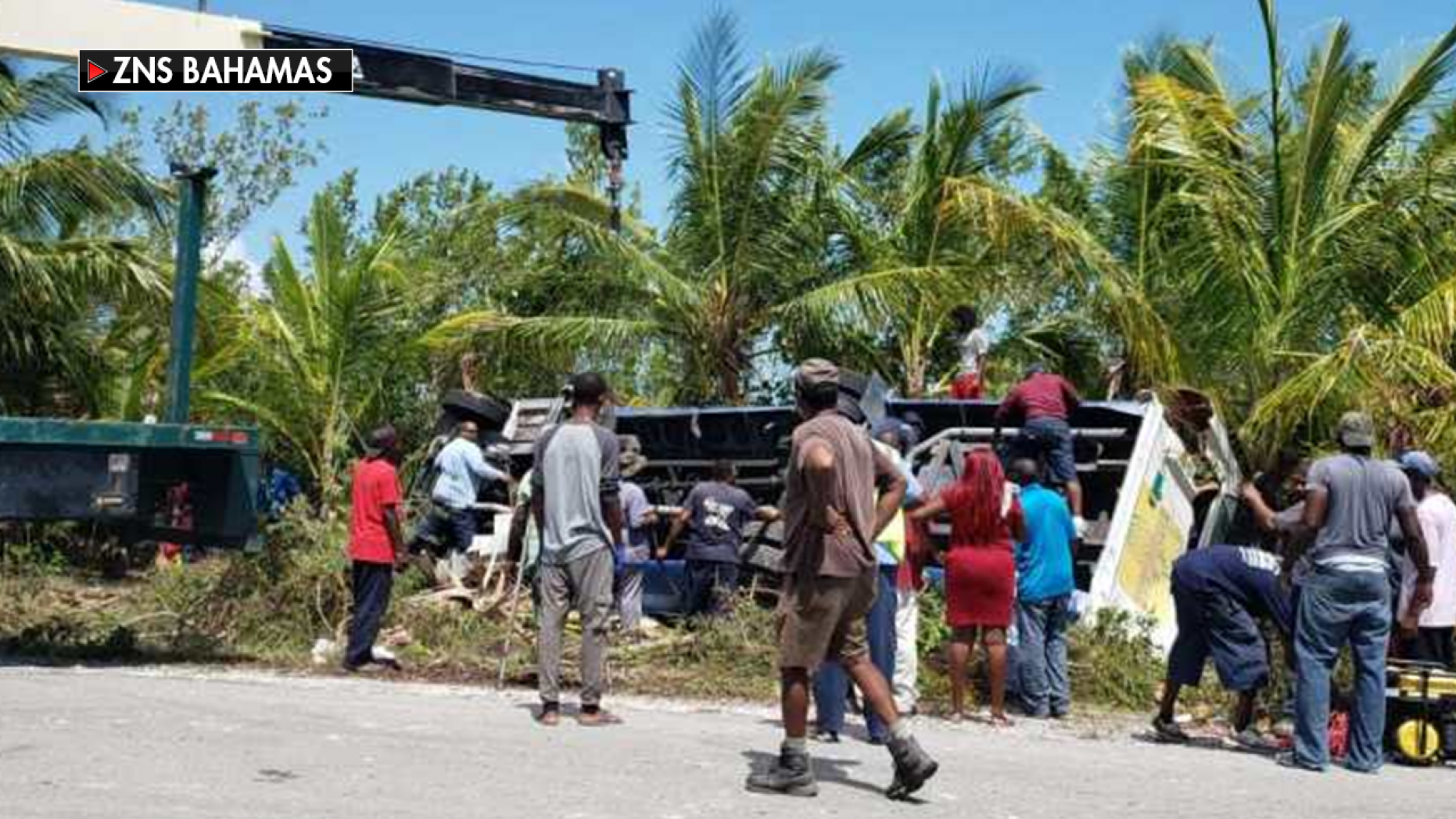


 Awful cruise line
  With the main cruise ship companies based in Miami, Leesfield & Partners has represented countless families of cruise passengers who lost their lives or who were gravely injured while on a cruise excursion. Whether